
Inside SENT’s Integrated Food, Health, and Workforce Ecosystem
In Southeast Topeka, a quiet transformation is taking place, one built not on quick fixes, but on the belief that when you meet a family’s most basic needs with dignity and connection, you open the door to long-term health, stability, and hope.
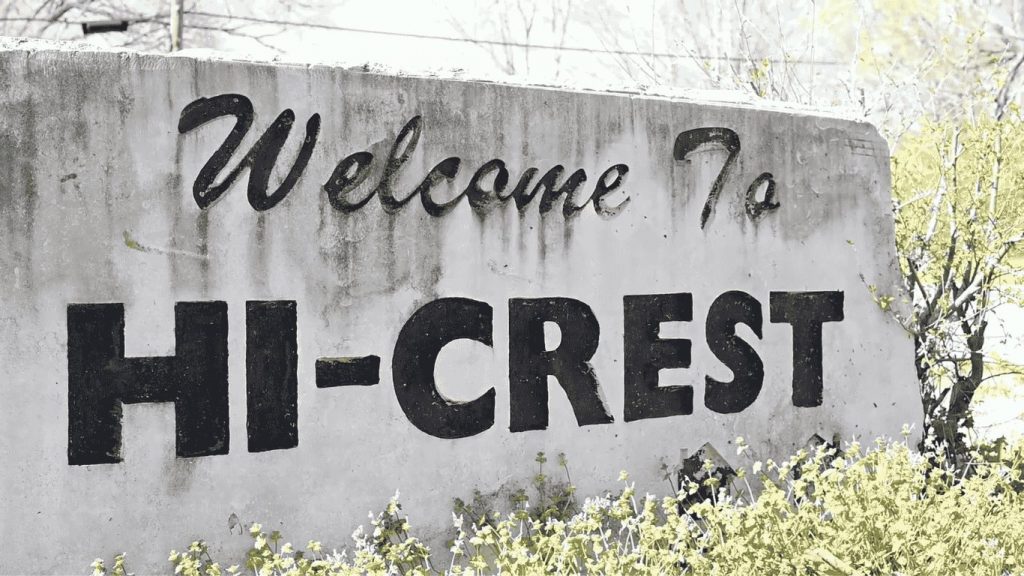
For years, the Hi-Crest neighborhood carried heavy labels: food desert, transportation desert, childcare desert, mental-health desert. Chronic disease rates are high. Access to supportive services was low. Families were often forced to choose between paying rent, buying groceries, or seeing a doctor. Violence and health outcomes reflected that stress.
But today, the story is changing. And it’s changing because SENT Inc. chose to reimagine what community support could look like, not as isolated programs, but as a fully integrated ecosystem designed to help families thrive.
This is the story of that ecosystem.
This is how SENT and its community partners are rewriting what’s possible for a neighborhood.
Starting With Food—but Not Ending There
Every month, hundreds of families walk through the doors of the Southside Filling Station, SENT’s low-barrier, fully client-choice food hub. No ID requirements. No paperwork hurdles. No judgment. Just fresh produce, high-quality pantry staples, and a team ready to help.
In October 2025, a snapshot of the Southside Filling Station’s impact showed just how critical this work has become. That month, the pantry served roughly 235 families from 20 ZIP codes. Of those households, 59 percent earned less than 20,000 dollars per year, and another 32 percent earned between 20,001–39,999 dollars — income ranges closely associated with higher rates of chronic disease. Additionally, 31 percent of families qualified for free or reduced lunch.
October’s data also revealed an average monthly household income of only 2,307 dollars, with a median of 1,300 dollars, highlighting how narrow the financial margin is for the families who rely on our services.
Food is the doorway, not the destination.
A pantry visit becomes a connection point into:
- Case management
- Mental health services
- Medical referrals
- Substance use disorder treatment
- Housing and workforce pathways
- SNAP enrollment support
- Transportation assistance
Because when you solve the immediate issue of food today, you can start solving the underlying issues tomorrow.
More than 90 percent of households served by the pantry live in income brackets scientifically shown to face the highest risks of heart disease, diabetes, and chronic illness. In these ZIP codes, food access isn’t just about nutrition; it’s a clinical intervention.
Where Nutrition Meets Health Care
Just steps away sits the Southside Wellness Clinic, a new model of neighborhood-based clinical care. Here, families can access:
- Medically assisted substance use disorder treatment
- A 10–12 month holistic maternal health program (including doula care)
- Trauma-informed Occupational Therapy
- Chiropractic care
- Massage therapy
- Mental health and recovery services
- Primary care referrals
- And hopefully by 2027, Food-is-Medicine programming paired with fresh produce boxes and nutrition coaching
This connection between food and health care is intentional. When a clinician recommends healthier eating for chronic disease or recovery support, SENT ensures the food itself is accessible, affordable, and available, sometimes delivered right to the household through community partnerships.
Food is Medicine isn’t just a slogan in Hi-Crest. It’s a lived reality.
This matters in a neighborhood where Hi-Crest has no full grocery store within walking distance, only one bus stop serves the entire West side of the neighborhood, and 39 percent of adults experience obesity linked to decades of limited access to fresh, affordable, healthy food. Neighbors report an average of 5.7 poor mental health days per month, and 12 percent of households spend more than half their monthly income on housing, leaving little room for food, medical care, or wellness supports.
Transportation: The Barrier That Too Often Stops Everything
In a transportation desert, the lack of a ride can be the difference between stability and crisis.
SENT’s Your Health. Your Appointment. Your Ride. program provides free, appointment-based transportation for neighbors needing access to:
- Medical appointments
- Mental health services
- Substance use treatment
- Pantry visits
- Youth programming
More than twenty middle schoolers and multiple high school students use SENT’s transportation weekly to reach after-school prevention and behavioral health programs at SENT.
Mobility becomes possibility.
An Upstream Response to Mental Health and Substance Use
Research shows:
- Food insecurity increases anxiety and depression.
- Food-insecure youth have 55 percent higher rates of outpatient behavioral health and substance use visits.
- Young adults facing food scarcity show higher rates of tobacco, cannabis, and alcohol use.
SENT sees the same patterns every day.
That is why food access, therapy, addiction treatment, school-based prevention, case management, and transportation are woven together. Addressing one issue strengthens the others. Strengthening all of these changes the environment in which young people grow up.
And the results are visible.
These health improvements mirror a broader shift in neighborhood stability. Since SENT began its integrated approach in 2018, Hi-Crest has seen a 29 percent reduction in overall crime and a 21 percent reduction in violent crime, aligning with Clemson University research showing that strong social infrastructure, stable food access, and consistent relational presence can drive double-digit drops in violence.
Stable food access. Consistent relational presence. Community anchors. These are not just social strategies; they are public health interventions.
Youth Prevention Begins Where Young People Are
SENT’s Campus Connections program meets youth directly on school campuses, Ross Elementary, Eisenhower Middle School, Highland Park High School, and Avondale Academy. This prevention work sits in a community where food insecurity, unstable housing, and limited access to behavioral health care have historically placed young people at risk. National studies show that food-insecure youth have a 55 percent higher rate of outpatient behavioral health and substance use visits, and SENT’s campus-based model is designed to close that gap early.
Services include:
- Mental Health support
- Substance-use prevention
- “Making Sense of Your Worth” groups
- Art, music, and theater connections
- Summer teen employment
- Weekly transportation to SENT’s campus
- Pantry access after programming
This one integrated pipeline supports both prevention and resilience, creating a consistent, caring adult presence across childhood, adolescence, and young adulthood.
Growing Food and Workforce Opportunities Close to Home
Food access isn’t only about distribution. It’s about production and economic opportunity.
SENT’s Workforce Development Program and future Urban Orchard Initiative connect local growers, youth, families, and the pantry into one ecosystem.
These efforts will:
- Supply the pantry and Food-is-Medicine boxes
- Provide workforce training in agriculture, construction, community health worker, lawncare, building maintenance, and food handling
- Offer fresh, locally grown produce to schools and partner pantries
- Create a living outdoor classroom for students
- Bring long-term environmental resilience to the neighborhood
Hi-Crest becomes a place not only for receiving food, but producing it.
Regional Partnerships Amplify Local Change
SENT’s model succeeds because it does not work alone. SENT is also one of only two organizations statewide offering mRelief SNAP enrollment support, serving six of the nine regions in Kansas. Families using SENT’s support receive their SNAP card in as little as one week, compared to the typical 45 days when applying directly.
We also have partnerships with:
- Kansas City Food Hub (weekly deliveries of Kansas-grown produce)
- Local schools and districts
- Topeka Correctional Facility (Community Health Worker work-release program)
- Kansas Black Farmers Association
- Kanbe’s Markets
- And many more
These partnerships allow SENT to serve:
- The Southside Filling Station Food Pantry
- Local school food closets
- Other partner pantries across Topeka
SENT is becoming a regional food hub and a replicable model for other Kansas communities.
Why the Model Works
Because SENT treats food as the doorway…
- A neighborhood pantry becomes a clinical touchpoint.
- A youth therapy appointment becomes a family food access connection.
- Local agriculture becomes part of disease prevention.
- A workforce cohort becomes the labor force that sustains the ecosystem.
Everything is connected. Because families’ lives are connected.
This is how a neighborhood changes.
Not through single-issue programs, but through a whole ecosystem moving in the same direction.
A New Story for Southeast Topeka
The transformation underway in Hi-Crest is not accidental; it is the result of thoughtful, upstream intervention that honors the dignity, resilience, and potential of every family that walks through SENT’s doors.
This is what happens when a community wraps around food, health, housing, workforce, and youth at the same time.
This is how cycles break.
This is how thriving begins.
This is how hope becomes normal.
SENT is not just providing services. SENT is building a model for what’s possible, here, and across Kansas.